Buying Horse Property In Corrales: What To Know
May 28, 2026
May 28, 2026
If you are dreaming about a horse property in Corrales, it helps to know that you are not just buying a house with extra land. You are buying into a rural village with rules, infrastructure, and land-use patterns that can shape how you live with animals every day. When you understand those details early, you can shop smarter, budget more accurately, and avoid expensive surprises. Let’s dive in.
Corrales is set up in a way that supports its rural identity. The village land-use framework is designed to preserve agricultural character and the right to cultivate land and maintain livestock, which is a big reason many buyers look here first.
That local context matters. In Corrales, horse ownership is not an afterthought in planning. It is part of how the village has chosen to protect its landscape, daily rhythm, and land-use pattern. Trails along the ditches and river bank set the stage for hours of enjoyment with your equine partner.
Before you fall in love with a barn, arena, or pretty pasture view, confirm the zoning district. Corrales states that any use not classified as permissive or by-review is prohibited unless a nonconforming-use provision applies, so zoning is one of the first things to verify.
The two key agricultural and residential districts many buyers will encounter are A-1 and A-2. In both A-1 and A-2, the code expressly allows the raising and management of livestock and fowl, as long as nuisance, odor, rodent, and drainage standards are met.
| Zone | Minimum Lot Area | Density | Max Lot Coverage | Basic Setbacks |
|---|---|---|---|---|
| A-1 | 43,560 sq. ft. | 1 dwelling per net acre | 35% | 25 ft front, 10 ft other sides |
| A-2 | 87,120 sq. ft. | 1 dwelling per net 2 acres | 35% | Similar setback rules |
For intensive agriculture, Corrales requires 25-foot setbacks on all sides. That means the usable layout of the property can matter just as much as the total acreage shown in a listing.
A parcel may look ideal on paper, but horse property decisions usually come down to the full site plan. Corrales site-plan review requires details such as proposed structures, existing buildings, property lines, streets, easements, setbacks, lot coverage, and on-site water, septic, sewer, and liquid-waste facilities.
That is why a property with enough acreage can still be a poor fit if the layout is constrained. Existing structures, easements, access routes, and setback requirements can all limit where you place corrals, fencing, turnout areas, or future outbuildings.
If you plan to add a barn, shade structure, corral, trailer parking area, or another improvement, make sure it can fit legally on the site. This is one of the most important steps when comparing horse properties in Corrales.
Occupied buildings in Corrales must be connected to a functional well or water supply system permitted by the State Engineer. They also must connect to a functional liquid-waste system permitted by the New Mexico Environment Department.
For buyers, that means utility due diligence is not optional. A beautiful property can become much more expensive if the well, water setup, or septic system needs repair, replacement, or permitting updates.
The village code also states that no conventional septic system may be installed on a lot smaller than 0.75 acres. Even if you are buying a larger parcel, this rule is a reminder that land size and infrastructure planning go hand in hand.
Many buyers budget for the purchase and maybe a few cosmetic updates. With horse property in Corrales, the real cost picture is often wider.
In addition to the home itself, you may need to account for fencing, gates, turnout or pasture areas, manure storage, grading, drainage work, water-system improvements, and permitted outbuildings. These needs flow from the village’s structure, setback, and utility requirements, even when they are not listed as separate line items in a marketing brochure.
This is where a strategic buying approach matters. A lower purchase price does not always mean a lower total investment if the property needs significant site or utility work to match your plans.
Some Corrales parcels are MRGCD tracts created to administer water rights and deliver water to certain lands in the village. If a property depends on irrigation rights, ditch access, or related easements, those details should be confirmed during due diligence.
This can affect how you use the land and how you evaluate long-term ownership costs and value. If irrigation is part of your plan for pasture, landscaping, or agricultural use, make sure you understand exactly what is in place before closing.
Corrales allows livestock in A-1 and A-2, but it also sets clear expectations around nuisance, odor, rodents, and drainage. Agricultural wastewater must be contained on-site and controlled so that it does not pollute irrigation ditches, groundwater, drains, or surrounding property.
For you as a buyer, that means horse ownership here comes with practical land stewardship. A parcel that handles water poorly or lacks a workable waste-management setup may require additional investment before it functions the way you want.
One reason buyers are drawn to Corrales is the lifestyle beyond the fence line. The village trail planning framework says public rights-of-way should remain open to pedestrians, equestrians, and bicyclists unless restricted for public safety.
The planning framework also encourages continued use of MRGCD ditch-bank roads and informal trails in and near the Corrales Bosque. That adds meaningful riding potential for buyers who want access to a broader network rather than a property that feels isolated.
The Corrales Bosque Preserve allows trail use by walkers, hikers, horseback riders, and bicyclists. It also states that equestrians have the primary right of way on Bosque trails.
There is also a practical note to keep in mind. Trails can become muddy or slippery after rain or snowmelt, which matters when you think about footing, trailer access, and seasonal riding plans.
Corrales MainStreet describes the village as an equestrian community, and that local identity shows up in everyday details. Drivers are reminded to slow down, yield to equestrians, and keep hitching posts clear in village parking lots.
For buyers, this helps explain why Corrales feels different from a more conventional suburban acreage market. The horse lifestyle is woven into the local environment, not simply tucked behind private gates.
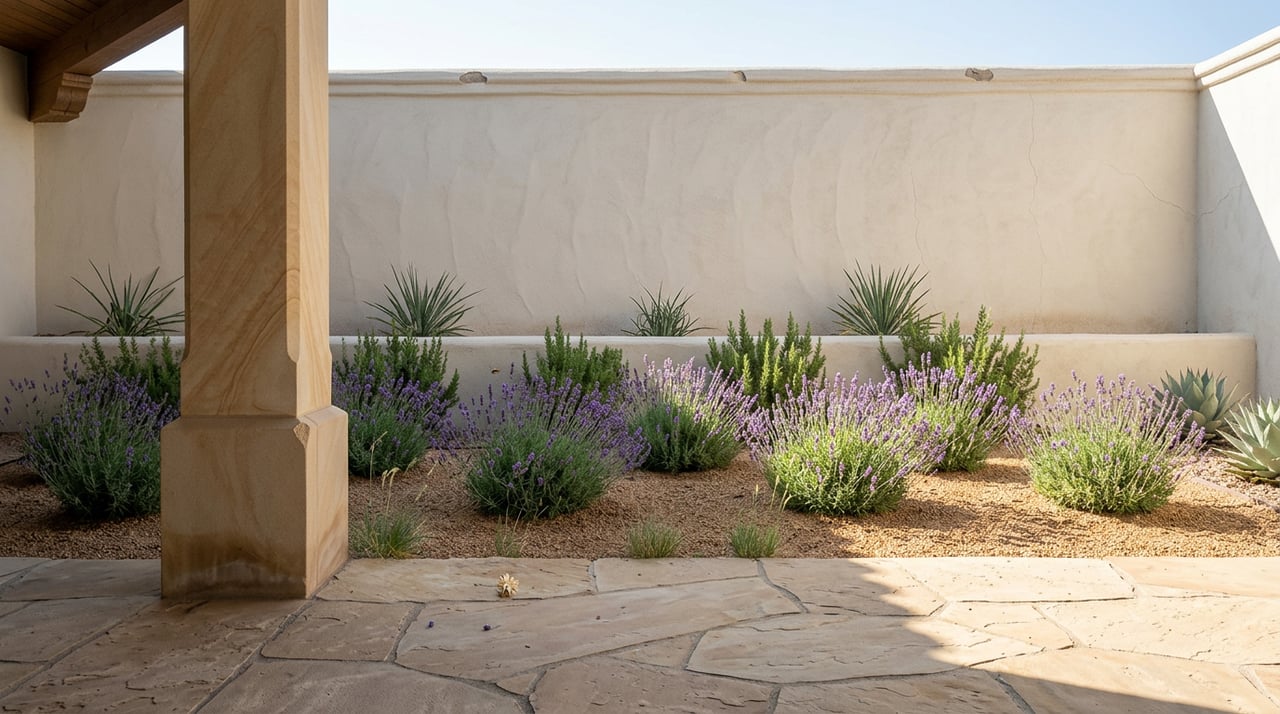
Corrales uses landscape and lighting rules that reinforce its rural setting. Newly constructed dwellings must be xeriscaped, with exceptions for historically cultivated areas, and lighting standards are meant to reduce glare and protect the village’s agricultural and rural heritage.
If you plan to build, remodel, or expand, these standards may affect your design choices. They are worth reviewing early so your improvement plans align with the look and function Corrales is trying to preserve.
Buying horse property is part lifestyle decision and part land-analysis exercise. In Corrales, careful review upfront can protect both your daily experience and your long-term investment.
A lender experienced with acreage and rural-property underwriting can also be helpful, especially when a property includes wells, septic systems, irrigation questions, and accessory improvements. That is not a Corrales rule, but it is a smart practical step for many buyers.
Horse property is rarely a simple purchase. You are weighing land use, infrastructure, budget, riding access, and future flexibility all at once.
In a market like Corrales, the right guidance can help you look beyond surface appeal and focus on how a property actually works. That kind of planning gives you more confidence from showing to closing and beyond.
If you are considering horse property in Corrales, working with a local advisor who understands both the lifestyle and the numbers can make the process much smoother. To talk through your goals and evaluate the right fit, connect with D'Nette Wood.
Stay up to date on the latest real estate trends.



Whether you’re buying your dream home or selling for the best value, I’ll be right by your side—offering clear guidance, honest advice, and hands-on support from start to finish.