Living in Old Town Albuquerque: What Daily Life Offers
June 18, 2026
June 18, 2026
If you are drawn to places with a real sense of history, Old Town Albuquerque stands out right away. Living near this part of the city means more than being close to shops and museums. It means being near Albuquerque’s original town site, where daily life still unfolds around a plaza first established in 1706. If you are wondering what it is actually like to live near Old Town, this guide will walk you through the area’s history, housing, and everyday rhythm. Let’s dive in.
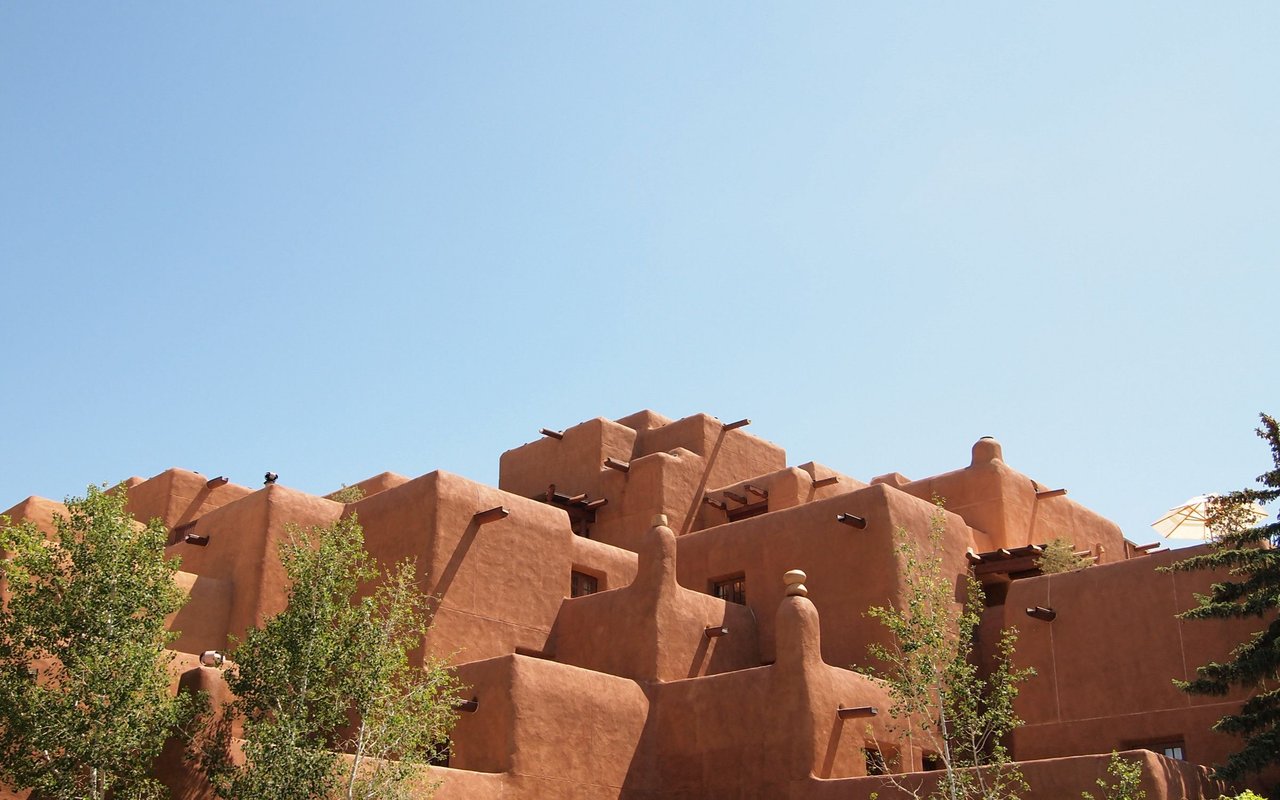
Old Town is widely described by the city as the heart of Albuquerque, and that identity is easy to see on the ground. The district centers on Old Town Plaza and includes a compact area of more than ten blocks with shops, restaurants, and homes. Pueblo Spanish-style architecture and adobe character still shape the look and feel of the streets.
One of the most meaningful parts of the area is how history remains part of daily life. Many of the original homes, shops, and government buildings around the plaza were later adapted into restaurants, galleries, and retail spaces. That blend of preservation and reuse gives Old Town a lived-in feel rather than a purely visitor-focused one.
San Felipe de Neri Parish also plays an important role in the district’s identity. The present church dates to 1793 and sits on the north side of the plaza. Its long presence helps anchor the neighborhood’s historic character and sense of continuity.
Living near Old Town often means having a steady rhythm of activity close by. The city lists most businesses in Historic Old Town as open Monday through Saturday from 10 a.m. to 8 p.m. and Sunday from 11 a.m. to 7 p.m. That schedule helps create a district that stays active well beyond a typical workday.
The plaza calendar also adds energy throughout the year. Public events include Summertime in Old Town, Balloon Fiesta Week in Old Town, Mother’s Day in Old Town, and the Old Town Holiday Stroll. For residents nearby, that can mean easy access to music, food, shopping, and seasonal community events without needing to plan a major outing.
Another everyday feature is the Old Town Portal Market on the east side of the plaza. It operates daily from 9:30 a.m. to 9 p.m. and highlights local makers and handcrafted jewelry. The market continues a long tradition of trade around the plaza, adding a regular local presence to the center of the district.
One of the strongest lifestyle advantages of living near Old Town is walkability. City planning materials describe San Felipe de Neri Church and Old Town Plaza as the center of a walkable area, with shops, galleries, and restaurants surrounding them. If you enjoy being able to step out for a meal, browse local art, or spend time in a public square, that setting is a major draw.
Old Town is also notable for how much culture is packed into a relatively small area. The Albuquerque Museum is in the heart of Old Town, while Explora and the New Mexico Museum of Natural History and Science sit along the edges of the district on Mountain Road. Planning materials note that these destinations can be reached on foot from the plaza, which adds real convenience for residents who value easy access to arts and cultural spaces.
Tiguex Park also supports the area’s day-to-day livability. Its location near the museum corridor creates another nearby place to spend time outdoors. In practical terms, Old Town offers a mix of historic streets, cultural institutions, and public spaces that can make simple routines feel more interesting.
A common misconception is that living near Old Town means only one kind of home. In reality, the housing picture depends a lot on how close you are to the historic core. The plaza area itself is tightly regulated, while nearby residential areas offer more variety.
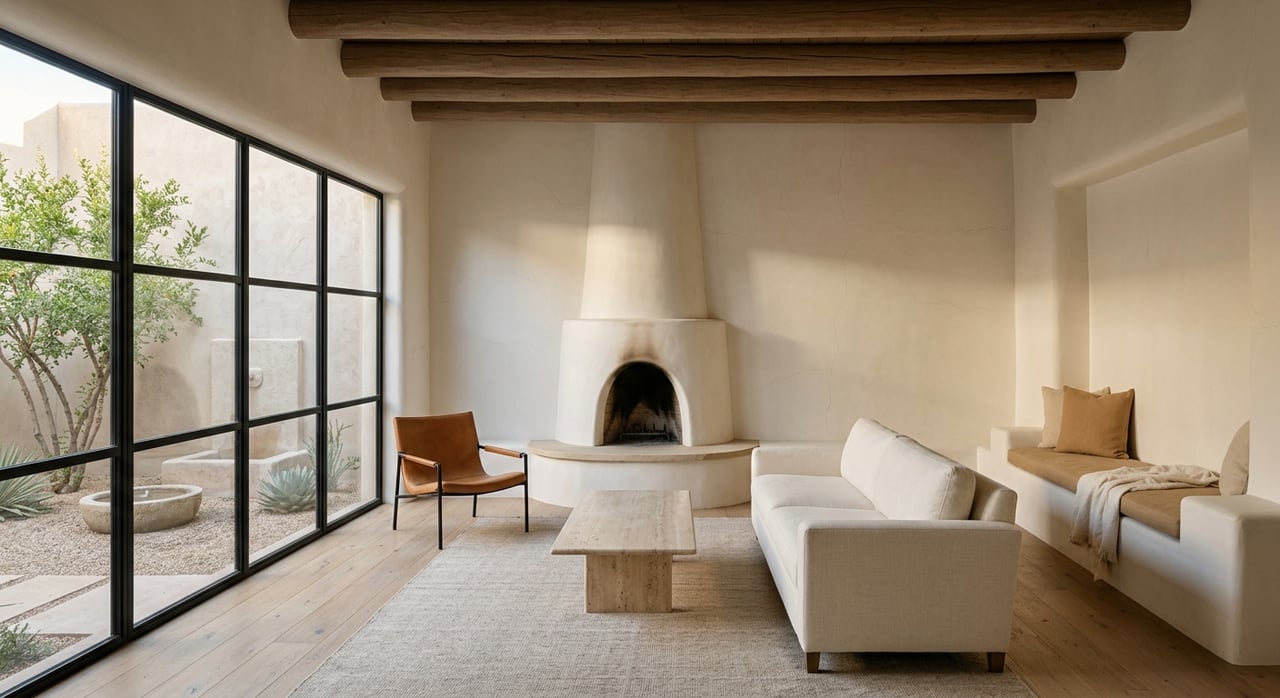
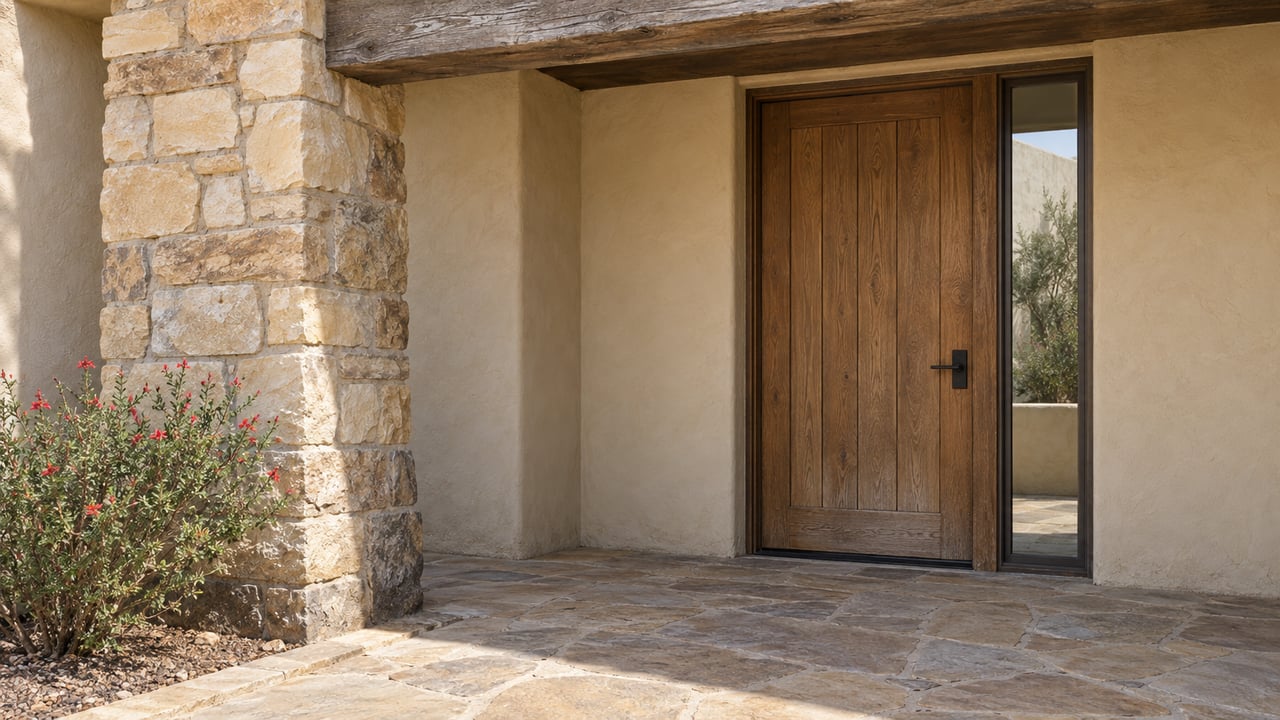
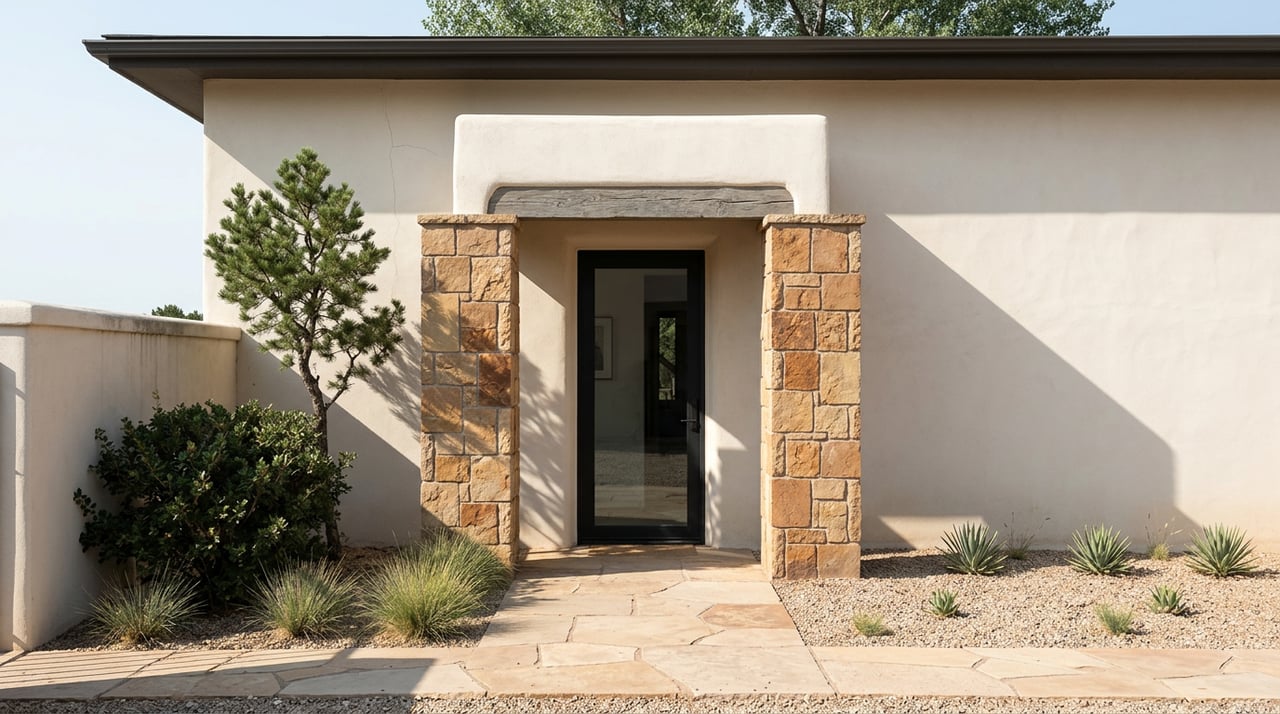
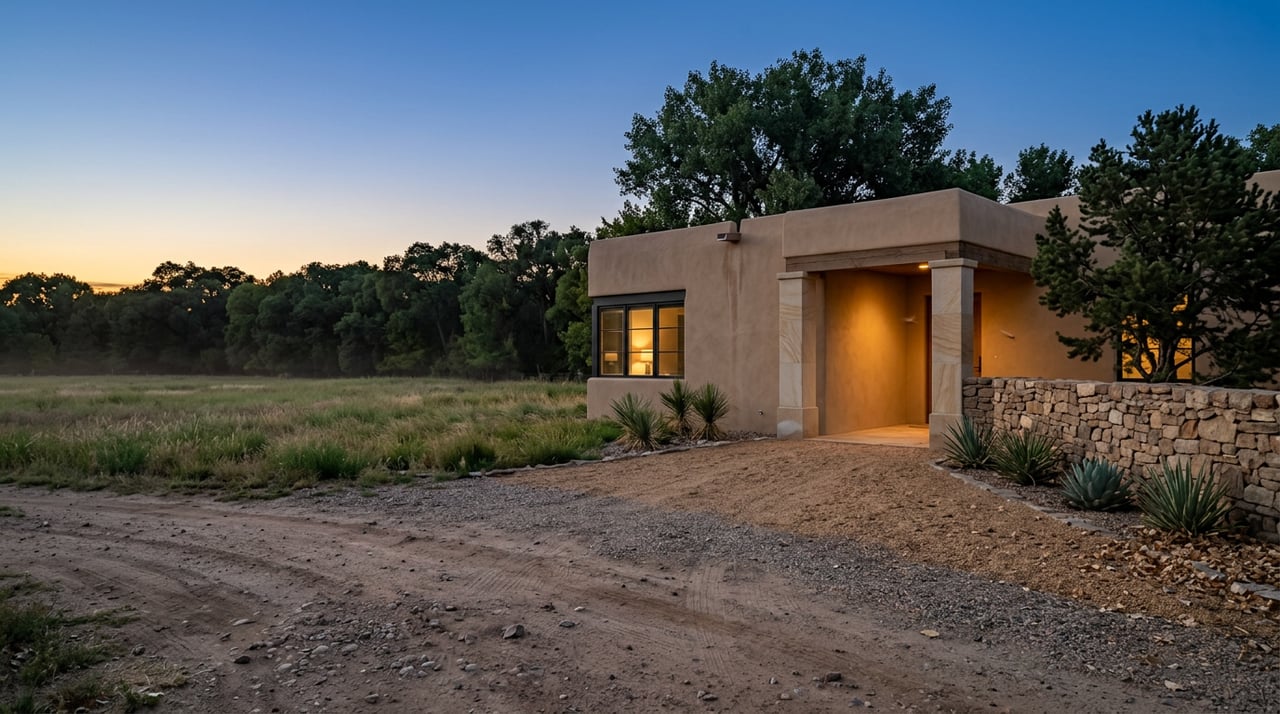
In the Old Town core, the visual character tends to be low-rise and adobe-forward. Historic protection rules and design guidelines require new work and exterior changes to remain compatible with the district’s traditional look. That is one reason homes and buildings near the plaza continue to feel distinctly New Mexican, even when interiors have been updated for modern living.
Those regulations are part of the city’s Historic Protection Overlay system. In Old Town, the HPO-5 guidelines apply not only to the historic zone but also to a 300-foot buffer around it. The purpose is to keep development and renovation compatible with the neighborhood’s established character.
That matters if you are considering a purchase near the core. A home in or near the overlay area may come with added design considerations for exterior work, materials, and repairs. For many buyers, that is part of the appeal because it helps preserve the area’s long-term visual consistency.
If you like the idea of being close to Old Town but want a broader range of housing choices, nearby West Old Town may be worth a closer look. City planning materials describe West Old Town as primarily single-family homes, with some multi-unit apartments and manufactured home communities. The housing stock includes both historical and newer homes.
This broader mix gives buyers more flexibility. Depending on your goals, living near Old Town could mean a historic adobe-style home, a preserved older residence, or a more conventional home in the surrounding area. That range can be especially helpful if you want access to the plaza and museum corridor without being directly in the most tightly regulated part of the district.
West Old Town also connects well to nearby amenities. Planning materials note strong access to the ABQ BioPark, the Botanic Garden, and Bosque trails. That makes the area appealing for people who want a balance between urban convenience and time outdoors.
Old Town is not simply a historic setting with no protections in place. It is a regulated historic district, and that distinction shapes the experience of ownership nearby. The city’s design guidelines identify Spanish Colonial, Territorial, and Western Victorian character as the traditional architectural backdrop for the district.
The same guidelines emphasize careful repair of adobe and other historic materials. For homeowners, that can influence how exterior updates are approached and how properties age over time. For buyers, it is useful context because the look of the neighborhood is not accidental. It is actively maintained through preservation standards.
This can support long-term neighborhood identity in a meaningful way. When you walk Old Town, the visual consistency comes from both history and policy. That combination helps explain why the area feels so distinct from many other parts of Albuquerque.
For many buyers, Old Town offers something hard to replicate. It combines a compact historic core with a larger ring of residential options around it. You can enjoy plaza-centered living and walkable access to culture, or choose a nearby home base with easier access to parks, trails, and other parts of the city.
It also appeals to people who want a home with a strong sense of place. Some buyers are drawn to architecture and preservation. Others value being close to museums, local events, and established streets that feel rooted in Albuquerque’s story.
From a practical standpoint, living near Old Town can also mean thinking carefully about fit. Your ideal property may depend on whether you want historic character, renovation potential, easier maintenance, or more conventional housing options nearby. That is where local guidance becomes especially valuable.
If you are considering a move near Old Town, it helps to narrow your priorities early. The area offers several distinct living experiences within a relatively small geography. Knowing what matters most to you can make your search far more focused.
Here are a few smart questions to ask:
These questions can help you sort through options with more clarity. In a location with both historic importance and housing variety, a thoughtful plan matters.
Living near Old Town Albuquerque offers a rare combination of history, culture, and everyday convenience. You are not just choosing a location on a map. You are choosing how close you want to be to one of the city’s most established and distinctive places, and how that setting fits into your long-term goals. If you want thoughtful guidance on buying or selling near Old Town, D'Nette Wood can help you navigate the options with local insight and a strategic approach.
Stay up to date on the latest real estate trends.




Whether you’re buying your dream home or selling for the best value, I’ll be right by your side—offering clear guidance, honest advice, and hands-on support from start to finish.