Is Albuquerque’s North Valley The Right Fit For You?
July 9, 2026
July 9, 2026
If you are drawn to mature trees, a little more breathing room, and a setting that feels different from a standard subdivision, Albuquerque’s North Valley may already be on your radar. At the same time, this area is not one simple neighborhood, and that matters when you are deciding where to buy. This guide will help you understand how North Valley is laid out, what daily life can feel like, and what to review before you make a move. Let’s dive in.
North Valley is best understood as a river-valley district made up of multiple subareas, not one uniform neighborhood. City planning materials describe the Near North Valley CPA as lying between the Rio Grande and I-25, and between I-40 and Montaño, with county and Los Ranchos portions included.
That broad footprint helps explain why the area can feel so varied from one property to the next. City summaries note a mix of agricultural uses, historic residential areas near the river, and more intense industrial and commercial uses closer to the interstates.
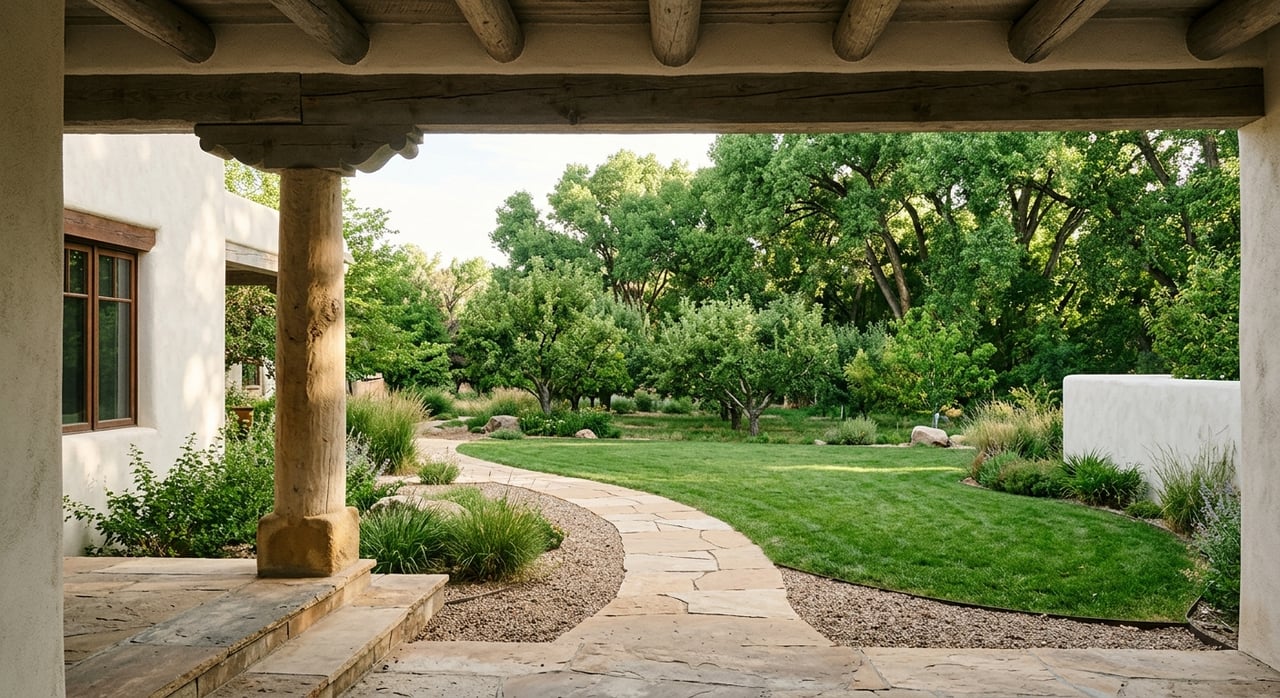
A big part of North Valley’s identity comes from the Rio Grande bosque, cottonwoods, waterways, and farming heritage. Planning documents consistently frame the area around scenic natural features and a working-landscape history that still shapes how many parts of the district look and function today.
The North Valley Design Overlay was created to preserve natural beauty, wildlife, vistas, and traditional quasi-rural lifestyles that retain agricultural activity. City open-space materials also identify farmland in the area, including Los Poblanos Fields, as some of the region’s most significant remaining agricultural land.
That means North Valley often appeals to buyers who want something more rooted in land, landscape, and a slower visual rhythm. It can feel more open and established than a typical tract development, especially in areas closer to the river and open space.
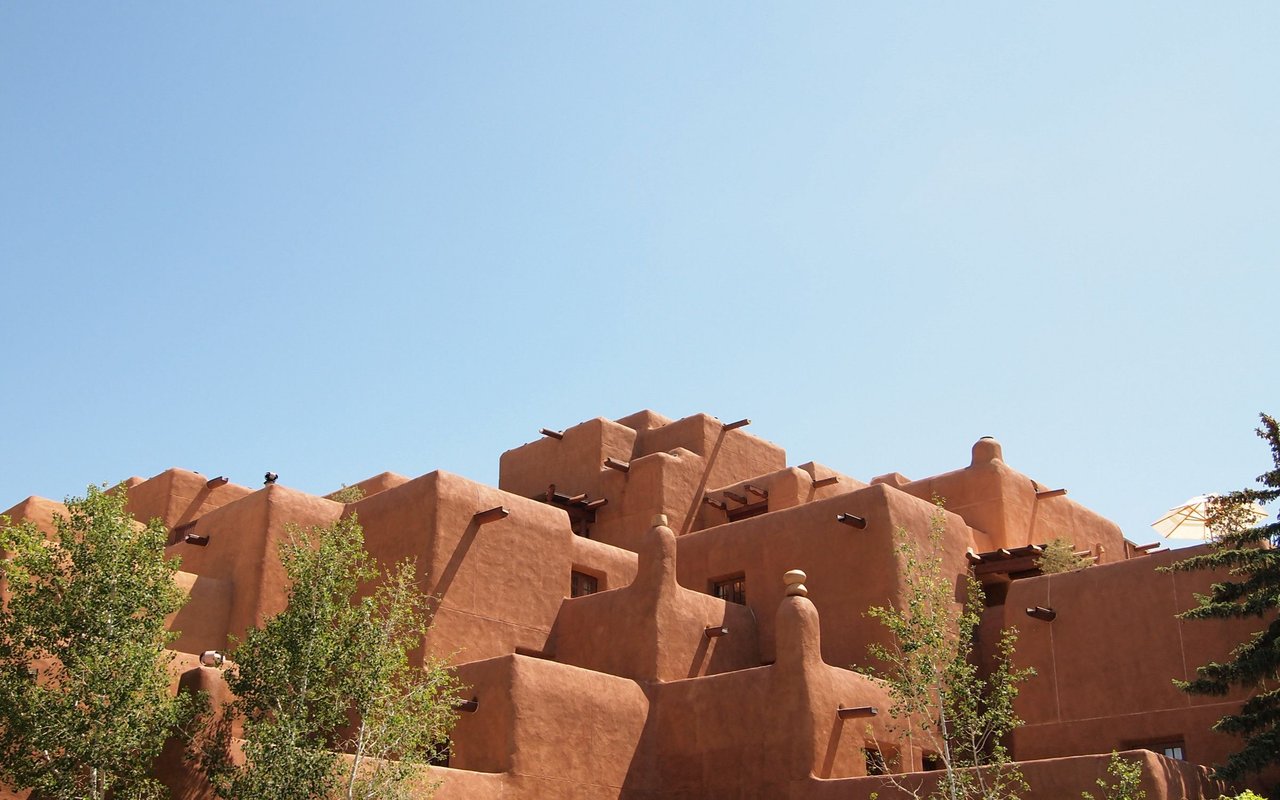
One of the most important things to know is that North Valley housing is intentionally less uniform than a conventional subdivision. Planning materials call out a mix of lot sizes and shapes, older settlement patterns, agricultural uses, and a lower apparent density created by open space and varied setbacks.
In practical terms, two homes with the same price point can offer very different lifestyles. One parcel may have a larger lot with room for flexible outdoor use, while another may sit on a narrower or more irregular site with a very different layout and access pattern.
Some county sections include lots that exceed an acre and may support small-scale agriculture or livestock. Older subareas such as Los Duranes show long narrow lots, dead-end streets, and a mix of single-family, townhouse, apartment, and clustered-housing forms.
For you as a buyer, that variety can be a strength if you want options beyond the usual subdivision model. It also means you need to evaluate each property on its own terms rather than assuming the whole area functions the same way.
North Valley’s built form often reflects older development patterns. The design overlay notes that some areas have narrower streets and fewer standard curb, gutter, and sidewalk patterns than you may expect in newer parts of Albuquerque.
That can be part of the charm for buyers who want a more established, less standardized environment. Still, it is worth thinking carefully about how that fits your day-to-day preferences, especially if ease of access, walkability features, or a more typical suburban layout are high on your list.
North Valley is not just residential. It includes active open-space, farmland, trail, and corridor uses, and planning documents note that large commercial and industrial development is concentrated along the 2nd Street corridor.
This is one reason the area works best when you look block by block, not just by ZIP code or broad neighborhood name. You may find a quiet residential pocket in one section and a more active commercial edge not far away.
That mix is not necessarily a drawback. For many buyers, it simply means being strategic about the exact setting you want and how close you want to be to commuter routes, services, and busier corridors.
For daily travel, North Valley tends to be more car-oriented outside the main corridors. Current planning materials identify 2nd Street as a commuter corridor and 4th Street as a Main Street corridor, while Alameda, Paseo del Norte, Montaño, Rio Grande Boulevard, 4th Street, and I-40 all shape movement through the area.
If commuting matters to you, location within North Valley can make a big difference. Access to major east-west connections and Rio Grande crossings may feel convenient from one property and less so from another.
Transit is available in parts of the area, though coverage can be uneven outside the main corridors. Planning materials reference ABQ RIDE Route 10 at 4th and Headingly, and ABQ RIDE Connect currently serves the Rio Grande zone.
One of North Valley’s strongest lifestyle advantages is its immediate access to the bosque. The Paseo del Bosque Trail is a 16-mile paved multi-use trail through the Rio Grande cottonwood bosque, giving residents a well-known option for outdoor time close to home.
The area also connects to open-space and preserve properties such as Candelaria Nature Preserve and Los Poblanos Fields. The 2026 Candelaria Nature Preserve access project is intended as a public access point to the North Valley acequia system and a place for restoration and education.
If outdoor access is part of your quality-of-life checklist, North Valley stands out for that reason alone. The setting is shaped not just by homes, but by farmland, waterways, and preserved land that influence the overall feel of the area.
North Valley is often a strong fit if you want mature trees, larger or irregular lots, open space, a semi-rural setting, or lifestyle features tied to agriculture and the river valley. Buyers looking for horse property, land, or a property with long-term flexibility may also want to look closely at what specific parcels allow.
It may be less aligned with what you want if your priority is a highly standardized subdivision layout. Planning documents repeatedly emphasize variable setbacks, mixed lot geometry, narrower streets in some places, and a built form that intentionally differs from typical suburban patterns.
In other words, North Valley can be a great match if you value character over uniformity. If predictability and a more conventional neighborhood layout matter most, you may need to be especially selective.
This is where a smart buying strategy becomes essential. The broader North Valley includes city, county, and Los Ranchos pieces, and the city’s North Valley overlay applies only to the incorporated city portion north of I-40.
Before making an offer, you should confirm the parcel’s exact jurisdiction, zoning, applicable overlay rules, drainage and flood considerations, acequia or ditch standards, and any limits on additions or secondary dwelling units. That is especially important if you care about multigenerational use, accessory space, future building plans, or long-term flexibility.
Planning documents also contemplate elements like private commons development on larger tracts, tree protection, permeable surfaces, and setbacks from waterways. Those details can affect not just what you love about a property today, but what you can do with it later.
Because North Valley is really a cluster of related submarkets, it helps to go beyond curb appeal and ask practical questions early. A careful review can save you time and help you focus on the properties that truly fit your goals.
Consider questions like these:
These are the kinds of questions that can make the difference between a good-looking property and a smart long-term fit.
North Valley is not a single housing product. It is a layered river-valley district with scenic natural features, farmland, varied home sites, open-space access, and a mix of residential and corridor activity.
That is exactly why many buyers love it. If you are looking for a property with more land, more character, and a setting shaped by the bosque and the valley’s agricultural history, North Valley may deserve a close look.
The key is making sure the specific property matches how you want to live now and what you may want from it later. If you want help evaluating North Valley with both lifestyle and long-term strategy in mind, connect with D'Nette Wood.
Stay up to date on the latest real estate trends.




Whether you’re buying your dream home or selling for the best value, I’ll be right by your side—offering clear guidance, honest advice, and hands-on support from start to finish.