Old Town Albuquerque: What You Need To Know Before You Buy
September 10, 2026
September 10, 2026
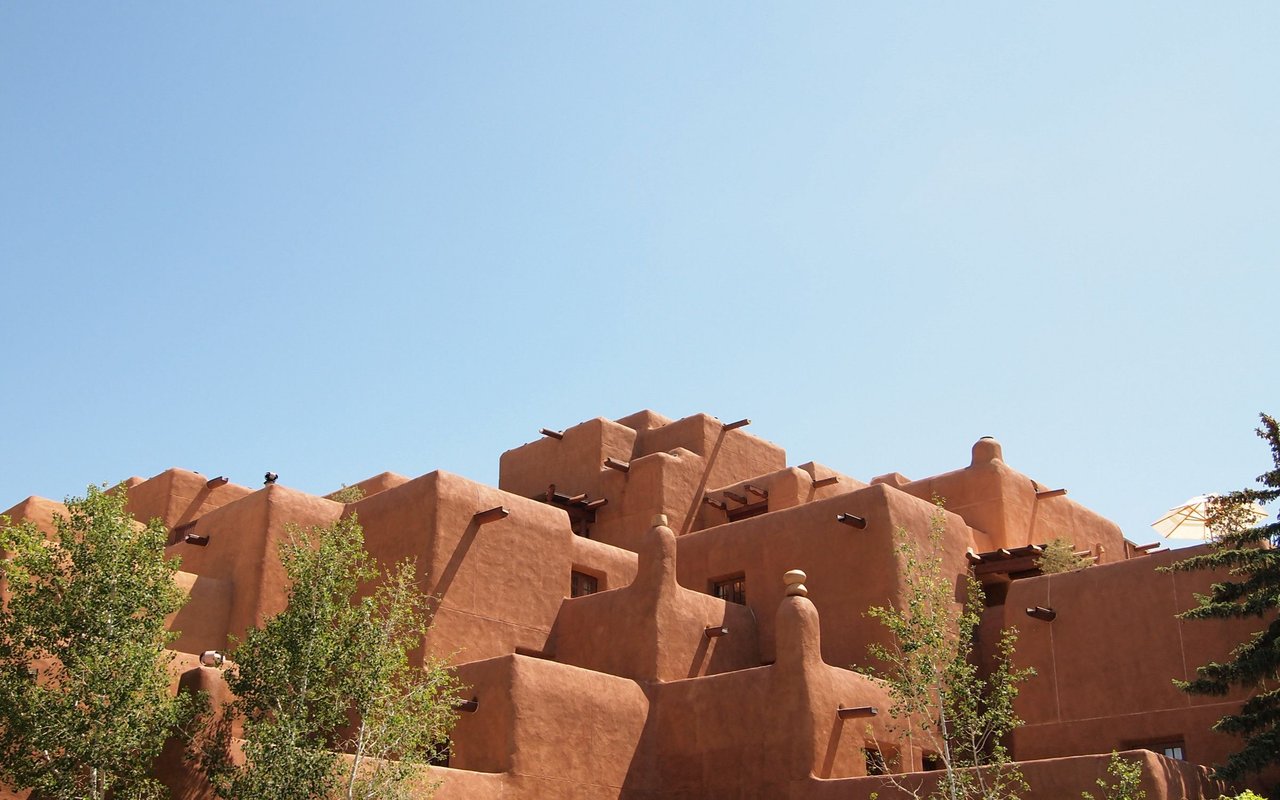
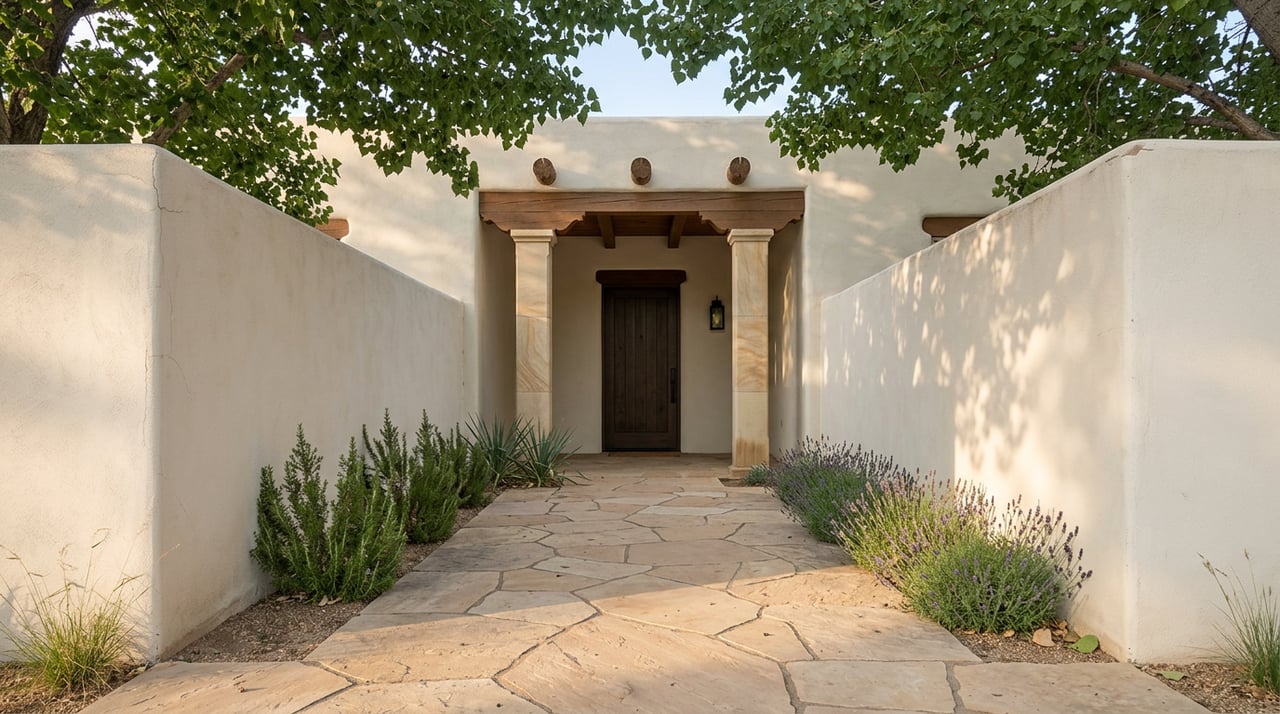
Walk the plaza and Old Town looks like it hasn't changed since the flags over it were Spanish, then Mexican, then American. The adobe walls are eighteen to twenty-four inches thick in the oldest homes. The rooflines stay low and flat on purpose. It reads as permanence.
What it actually is, legally, is one of the most closely regulated residential pockets in Albuquerque, and that regulation is what decides how fast you close, what you can change after you move in, and what it costs to insure the place. Buyers fall for the walls. The walls are not what runs the clock.
Albuquerque has four locally designated historic districts: Old Town, Barelas, Huning Highland, and Martineztown-Santa Barbara. Old Town was the first. A historic district ordinance went into place in 1957 specifically to protect the adobe buildings, the church, and the plaza, making it the earliest architectural review district in the city, decades before most of what people think of as historic preservation policy existed anywhere in New Mexico.
That review authority still sits with the city's Landmarks Commission today, operating under what the current code calls a Historic Protection Overlay Zone. The commission that decides what you can and can't do to your own exterior walls includes architects, design professionals, historians, and at least one member from a city-designated historic zone. Their job, per the city's own standards, is to check that any exterior change stays consistent with what's already there: exposed vigas, adobe or stucco surfaces, flat roofs, small scale, horizontal lines. It is not a suggestion. It is a condition of your building permit.
Before most exterior work in Old Town can get a building permit, the owner needs a Certificate of Appropriateness from the city. Small items, like a new fence, can sometimes clear at the staff level in a matter of days. Anything bigger, an addition, a new patio wall, a change to window openings, goes to the full Landmarks Commission for review, and that step alone can add somewhere in the range of thirty to sixty days on top of standard permit review.
Here is where it actually bites a buyer. If your offer includes a plan to enclose a portal, add a casita, or open up a kitchen wall right after closing, and your financing or your contractor's schedule assumes a normal Albuquerque permit timeline, you're building your calendar on the wrong zone. I've had clients budget six weeks for a project that needed closer to three months once commission review was added in. That's not a reason to walk away from an Old Town purchase. It's a reason to ask the seller for the property's Certificate of Appropriateness history before you write a renovation contingency with a normal-neighborhood deadline attached to it.
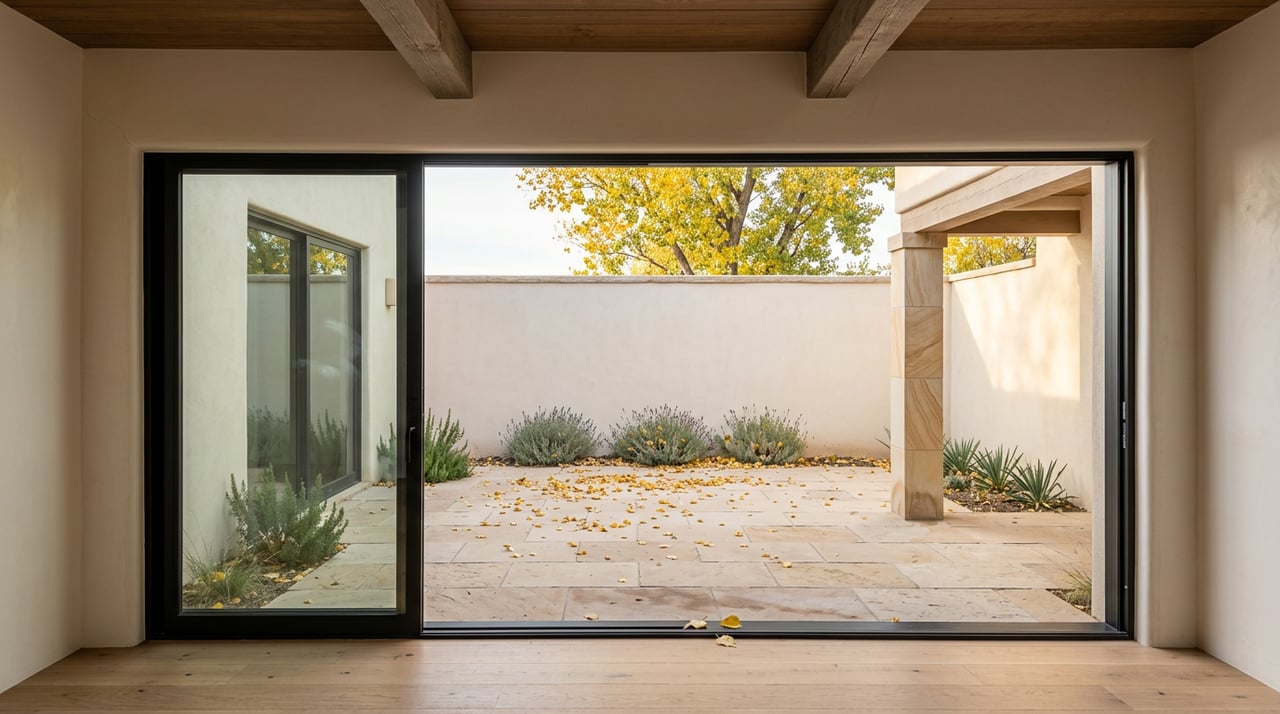
Here's the part almost nobody asks about before they fall in love with the courtyard. Much of Old Town isn't zoned the way buyers assume. Rather than a standard single-family residential zone, a lot of the district sits on Mixed-Use Transition zoning, a designation the city built specifically to buffer residential blocks from busier commercial ones. Under that zoning, the allowed uses aren't limited to houses. Small-scale multi-family, office, institutional, and pedestrian-oriented commercial uses are all part of the primary use table, alongside low-density residential. Some parcels closer to museum row carry an even more flexible mixed-use designation that permits commercial operations outright.
This isn't a defect. It's part of why Old Town has functioned for three hundred years as a place where people live behind the same walls that also house a gallery, a small inn, or a studio. But it means the zoning under your future home is doing more work than a typical R-1 lot, and it's worth knowing before you buy next to a courtyard that could, under the existing zoning, someday become something other than a private residence. It also means your own use of the property may have more flexibility than a standard residential zone would allow, which matters if part of your plan is a small home office, a rental casita, or eventually converting a portion of the lot to income-producing use.
The friction has an offset that most sellers don't bring up, probably because it benefits the buyer more than it benefits them. New Mexico offers a state historic rehabilitation tax credit worth 50 percent of qualified rehabilitation costs, up to $50,000, for contributing buildings inside a state-registered historic district. Layer a federal 20 percent credit on top of that for income-producing historic properties individually listed on the National Register, and a serious restoration project starts to look very different on paper than it did when you were only counting contractor invoices.
The catch is the word "contributing." Not every structure inside a historic overlay automatically qualifies for the state credit. That status gets confirmed through the Landmarks Commission and the state historic preservation process, not assumed from the address. If a rehabilitation budget is part of why you're looking at an Old Town property in the first place, confirming contributing status before closing is worth the phone call. It's the difference between a renovation that pencils and one that doesn't.
True adobe construction complicates two things buyers rarely think about until they're mid-contract: insurance and appraisal.
Standard replacement-cost estimators, the kind most carriers run by default, are built around conventional stick-frame construction. They tend to undervalue what it actually costs to rebuild eighteen-inch earthen walls with hand-applied plaster and traditional vigas. That gap can leave a policy underinsured relative to true rebuild cost, which is exactly the kind of detail worth catching before closing rather than after a claim. Getting a quote early, and asking specifically whether the carrier underwrites historic or earthen construction differently, is a better sequence than assuming your homeowner's policy will look like any other.
Appraisal runs into a related problem: thin inventory. A count of active listings inside the historic district boundary itself in early September 2026 came back at well under a dozen. When comparable sales are that scarce, an appraiser working the file without deep local context can miss the right comps entirely, which is where a low appraisal starts to threaten a deal that was priced correctly in the first place. This is one of the few corners of the Albuquerque market where the agent's actual comp knowledge, not just their access to the MLS, changes the outcome.
A short list worth working through before a contract goes in on an Old Town property:
Does every exterior change in Old Town need a Certificate of Appropriateness? Smaller items like fences can sometimes clear at the staff level within about ten working days. Anything altering the building's exterior character, additions, new window openings, larger structural changes, goes to the full Landmarks Commission, which is the step that adds real time.
Can I add a casita or accessory structure on an Old Town lot? It depends on both the underlying zoning, since much of the district sits on Mixed-Use Transition zoning rather than standard single-family, and on whether the addition would need to pass Landmarks Commission design review. Both questions are worth answering with the city before you write them into an offer.
Does the historic designation hurt resale? Not based on what the record shows. It restricts certain elements of remodeling a buyer should be aware of. Old Town has functioned as a residential district for three centuries, and the same design consistency that adds review time is also what keeps the district's character intact, which is a large part of what buyers are paying for in the first place. The friction is procedural, not a mark against long-term value.
If you're weighing an Old Town adobe, or trying to figure out what a specific parcel's zoning and historic status actually allow, I'd rather walk that ground with you before you're three weeks into a contract discovering it. That's the kind of groundwork that turns a charming address into a sound decision.
Stay up to date on the latest real estate trends.


Whether you’re buying your dream home or selling for the best value, I’ll be right by your side—offering clear guidance, honest advice, and hands-on support from start to finish.