Explore the Sandia Heights Outdoor Lifestyle
July 2, 2026
July 2, 2026
If your ideal day starts with mountain light, fresh air, and a trail within easy reach, Sandia Heights deserves a closer look. This foothills community offers a lifestyle that feels connected to nature without feeling cut off from Albuquerque. If you are thinking about buying here, or simply want to understand what daily life looks like, this guide will show you how the outdoor lifestyle shapes the neighborhood, the homes, and the rhythm of life. Let’s dive in.
Sandia Heights is not a typical subdivision. According to the Sandia Heights Homeowners Association resident guide, development began in 1965 under the Sandia Peak Tram Company, and the neighborhood was planned around large lots, deed restrictions, wildlife, native vegetation, and protected views.
That original vision still shows up today. With more than 2,200 homes and about 5,200 residents, Sandia Heights feels established, spacious, and landscape-focused. A historical account of North Albuquerque also notes that lots east of Tramway are generally about three-quarters of an acre, with somewhat denser development closer to Tramway Boulevard.
For you as a buyer, that often translates into a sense of breathing room. Instead of a tight tract-home feel, the neighborhood reads as custom, view-oriented, and shaped by the foothills.
One of the biggest draws in Sandia Heights is how close you are to open space and trailheads. The City of Albuquerque describes the Sandia Foothills Open Space as about 2,650 acres at the base of the Sandia Mountains, with elevations ranging from 5,720 to 6,800 feet.
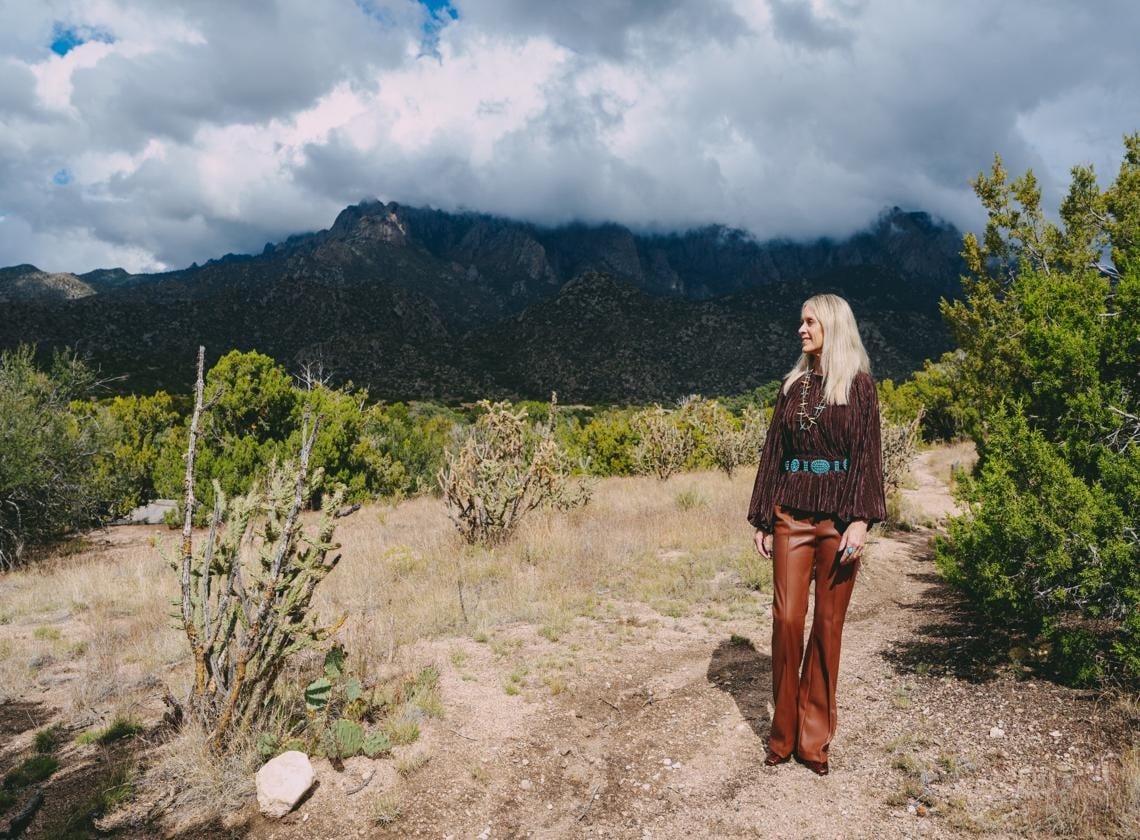
This open space supports hiking, horseback riding, and mountain biking. The landscape includes juniper, piñon, grasses, wildflowers, desert shrubs, and a wide range of wildlife, which gives the area a distinctly New Mexico feel.
Official access points include Elena Gallegos, Embudito, Piedra Lisa, Menaul, Embudo Canyon, and Copper trailheads. These access points connect you to the foothills trail system and the Sandia Mountain Wilderness Area, making outdoor recreation feel less like a weekend event and more like part of your normal routine.
The Pino and Elena Gallegos trailhead is especially helpful to know about if you are exploring Sandia Heights as a lifestyle move. The Forest Service says it is open year-round and is reached by taking Tramway Boulevard to Simms Park Road.
That matters because it highlights how the neighborhood sits right along the edge of meaningful outdoor access. You are not planning a long drive just to get to a trail. In many cases, the foothills are part of the backdrop to everyday life.
Elena Gallegos is not only a trail access point. The City notes that its reservation areas include picnic tables, grills, restrooms, electricity, and trail access in a mountain setting.
For residents, that adds another layer to the lifestyle. You have a place nearby for walks, meetups, family outings, and time outdoors that does not require a full day of planning.
The Sandia Peak Tramway is one of the area’s most recognizable landmarks, and it adds to the identity of Sandia Heights in a big way. Its official site lists the base at 30 Tramway Rd NE and notes that the ride travels 2.7 miles to the 10,378-foot crest.
The history of the Tramway also runs deep here. The first riders went up on May 7, 1966, which connects closely to the neighborhood’s early development and sense of place.
For you, the Tramway is more than a scenic attraction. It acts as a visual and cultural anchor that reinforces what makes Sandia Heights special: mountain access, dramatic views, and a foothills setting that feels both local and memorable.
In Sandia Heights, the outdoor lifestyle is not limited to official recreation areas. The SHHA describes the neighborhood as a place where residents walk the roads to enjoy sunshine, mountain views, and the breeze.
That said, the same guide makes an important point: there are no sidewalks, and pedestrians and drivers share the road. Most streets are posted at 15 to 25 miles per hour, which helps support a calmer pace, but shared-road awareness is part of living here.
This detail is worth understanding if you are comparing Sandia Heights with other Albuquerque neighborhoods. Life here tends to feel quieter and more natural, but it also comes with a more landscape-integrated street pattern.
The SHHA also notes that nearby park and forest land should be accessed through public trailheads, not private property. That helps preserve both resident privacy and responsible use of the land.
If you value order, stewardship, and respect for the setting, that is part of the neighborhood culture. Outdoor access is abundant, but it is also guided by clear expectations.
If you move to Sandia Heights, wildlife will likely be part of your daily surroundings. The resident guide identifies bears, coyotes, bobcats, deer, mountain lions, and many bird species as part of the area’s natural environment.
That does not mean the neighborhood feels remote or unmanaged. It means the community was designed with the landscape, not against it.
For many buyers, this is exactly the appeal. Sandia Heights offers a nature-first setting where the foothills are not just a view from your patio. They are part of the way you live.
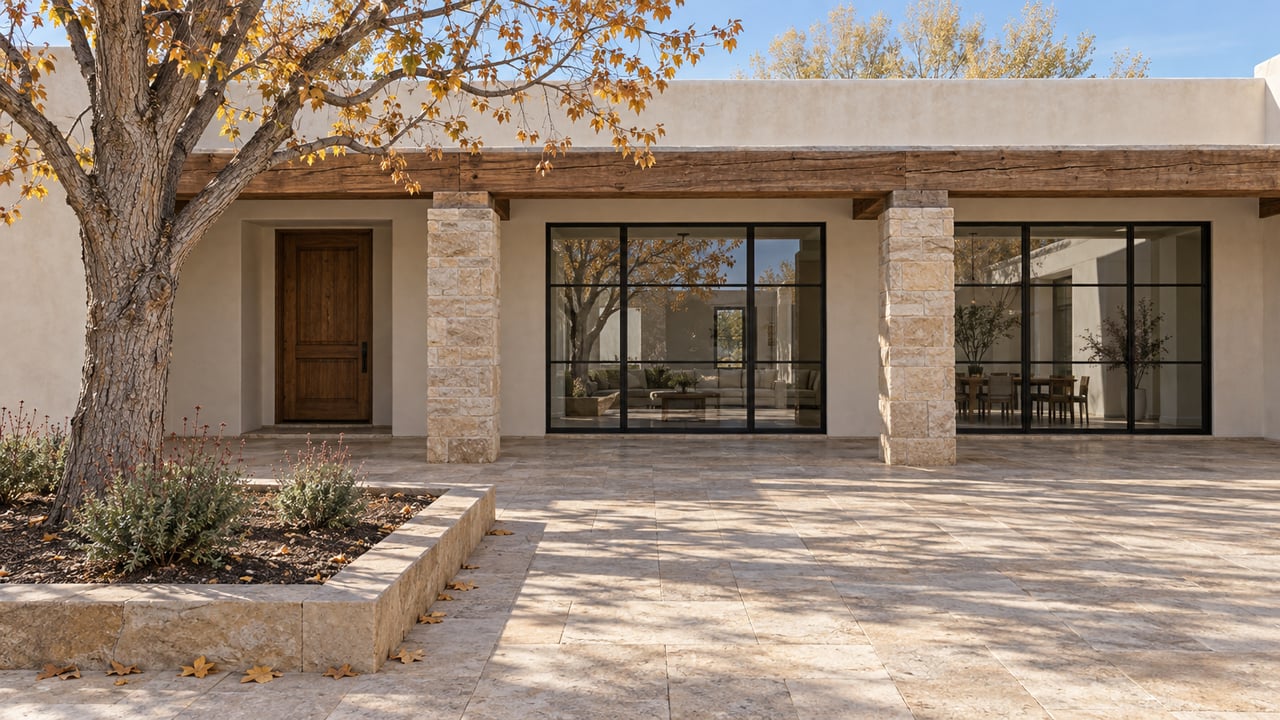
The outdoor lifestyle in Sandia Heights also shapes the homes themselves. The neighborhood is governed by covenants and architectural review, and the SHHA states that exterior changes such as construction, landscaping, painting, re-stuccoing, window replacements, driveways, fences, and solar panels must be approved before work begins.
These rules are intended to minimize land disturbance, preserve open space and view corridors, and encourage materials, colors, forms, and plants that fit the surroundings. In practical terms, that helps support the cohesive, foothills character many buyers are looking for.
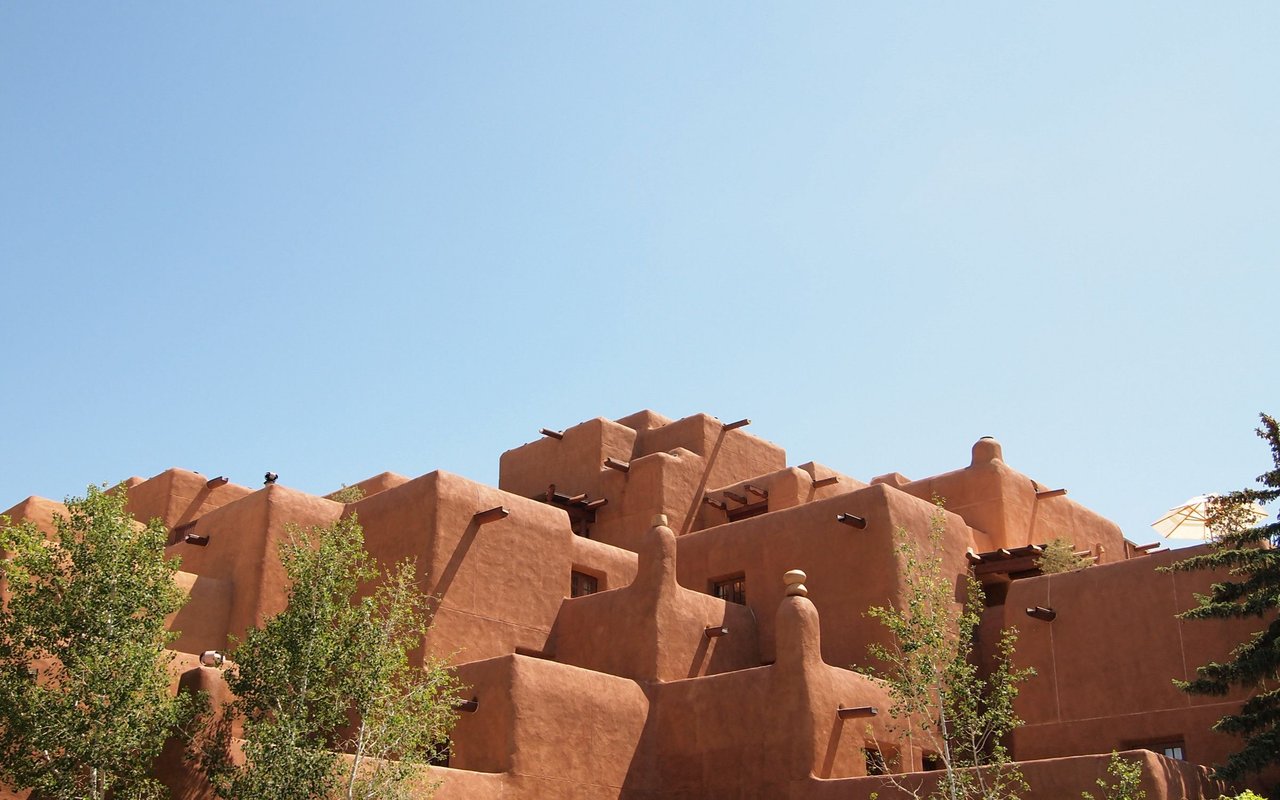
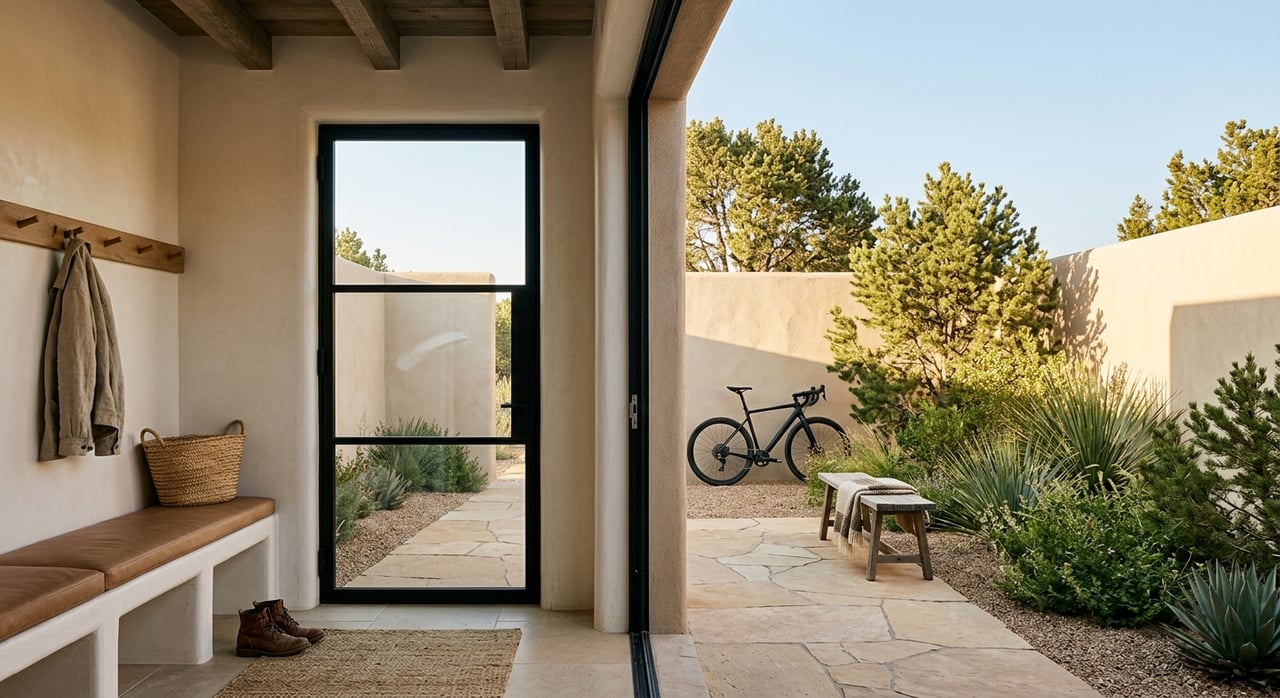
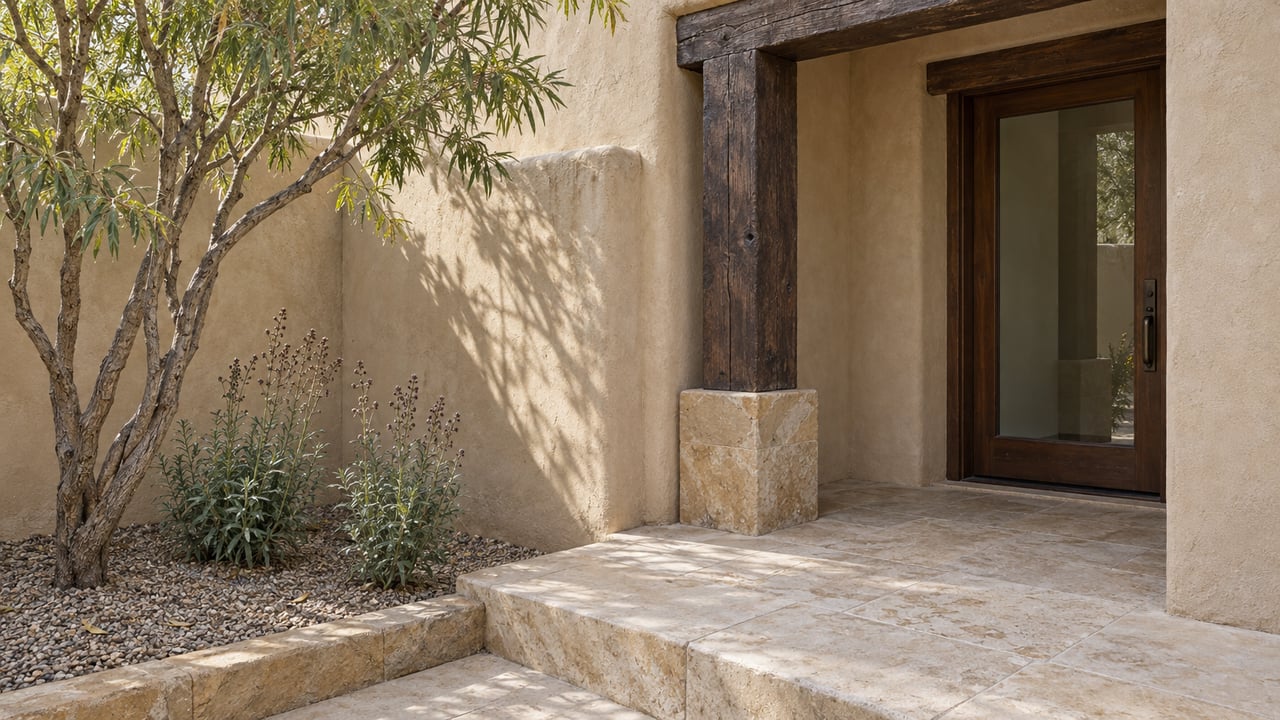
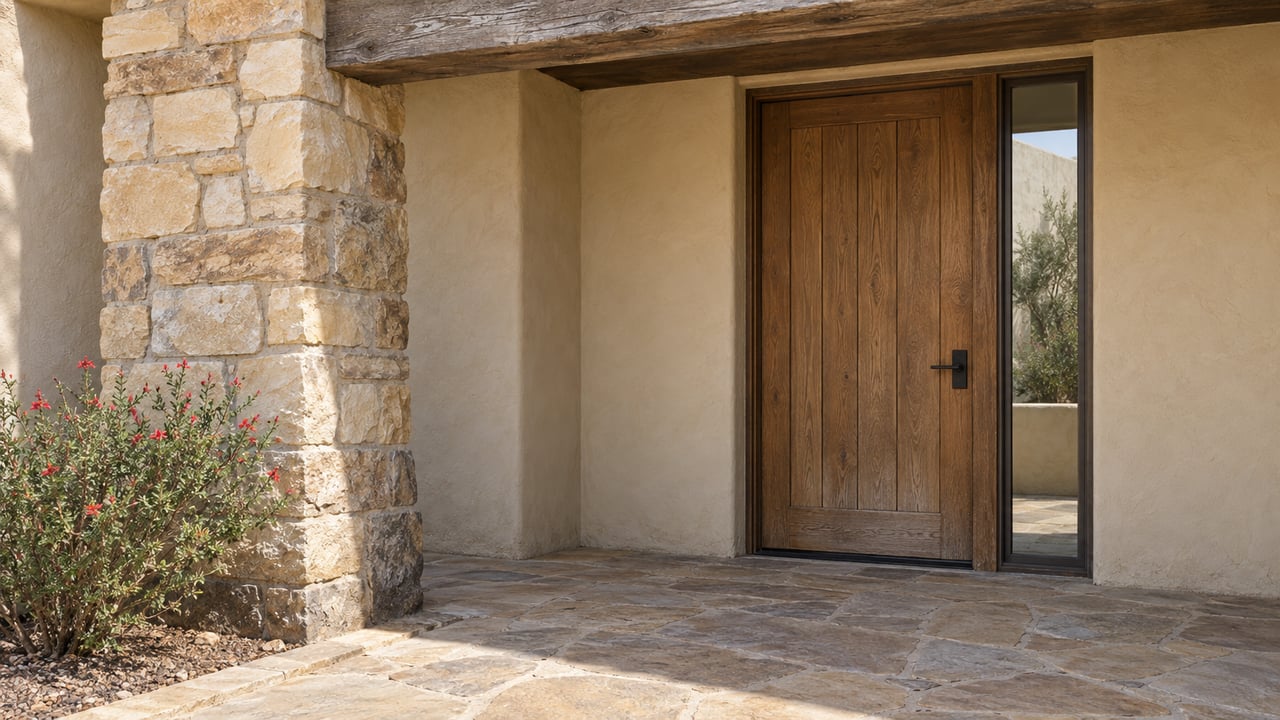
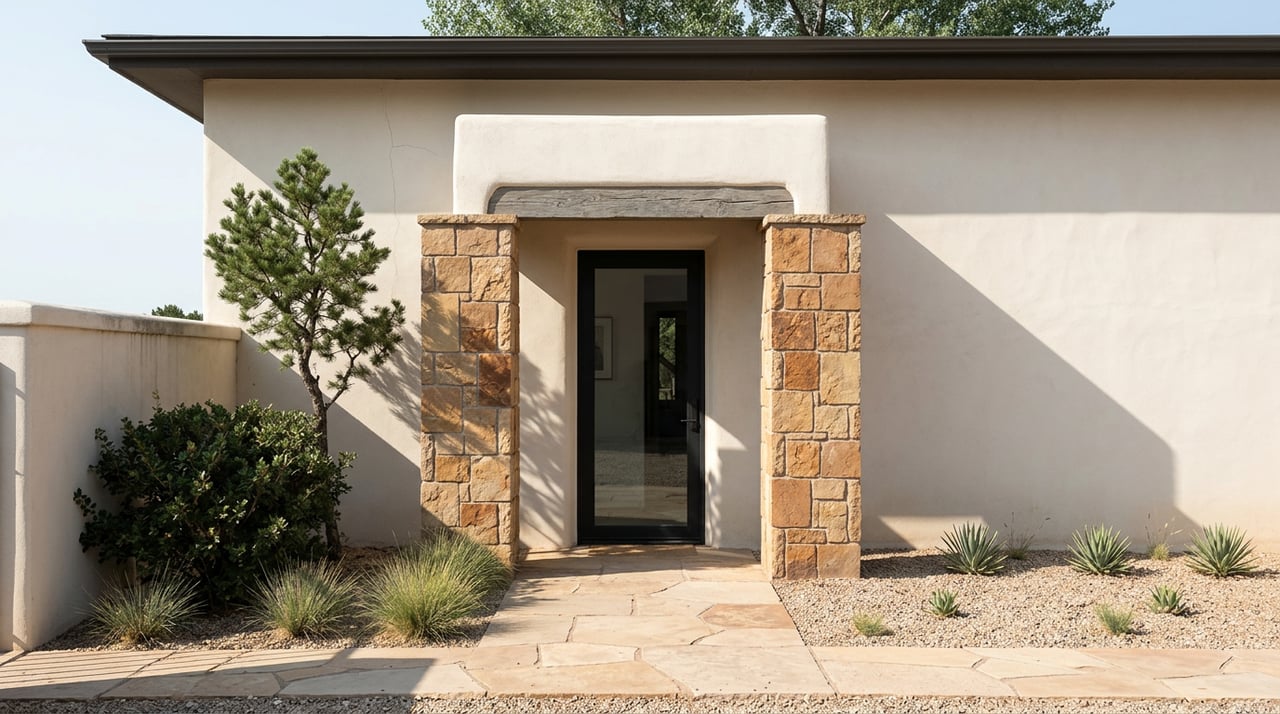
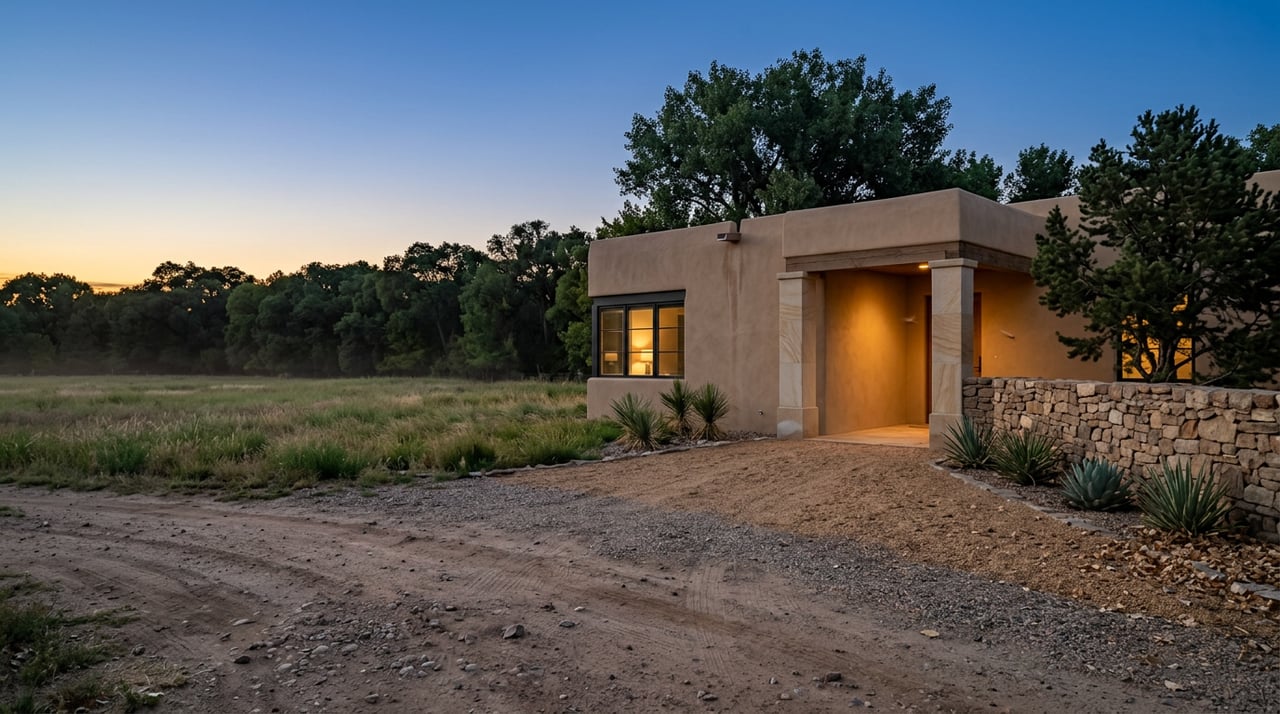
A historical account describes Sandia Heights as a community of custom homes with large lots, minimal grading, and native or xeric landscaping. It also notes that muted colors and natural materials are common, while some newer homes reflect a more contemporary influence.
In many neighborhoods, outdoor space feels secondary. In Sandia Heights, it is part of the design story.
The resident guide emphasizes restoring disturbed native vegetation, encouraging drought-tolerant native grasses, and limiting tree placement when it could block views. That means patios, view corridors, low-impact landscaping, and outdoor living areas often carry real value here.
If you are shopping for a home, it helps to look beyond square footage alone. In Sandia Heights, how a property sits on the land can matter just as much as what is inside the walls.
One reason Sandia Heights stands out is the balance it offers. It feels tucked into the foothills, but it is not fully detached from city life.
The City of Albuquerque directs open space access via Tramway and I-40, and the SHHA office is located near Tramway Boulevard. Taken together, that supports a clear picture of the neighborhood as secluded-feeling but still tied to Albuquerque’s east-side corridor.
For buyers who want a quieter setting without giving up access to the city, that balance can be a major advantage. You get mountain-edge character and daily recreation access while remaining connected to the broader metro area.
If you are considering Sandia Heights, it helps to evaluate the neighborhood through both a lifestyle and property lens. The outdoor appeal is obvious, but the details of how the community functions are just as important.
Here are a few things to pay attention to:
These factors can shape both daily enjoyment and long-term value. They are especially important in a neighborhood where setting and stewardship are central to the appeal.
Sandia Heights tends to attract buyers who want more than a house. They want a setting that supports how they actually want to live.
Here, that can mean morning walks with mountain views, quick access to public trailheads, outdoor spaces designed to take in the landscape, and a neighborhood identity built around preserving what makes the foothills special. It is a strong fit for buyers who see real estate as both a lifestyle choice and a long-term investment in place.
If you are weighing Sandia Heights against other Albuquerque-area options, the key difference is often this: outdoor living is not an extra here. It is part of the foundation.
If you want guidance as you explore Sandia Heights or compare foothills properties across the Albuquerque area, D'Nette Wood offers strategic, locally grounded support to help you evaluate both the lifestyle fit and the long-term value.
Stay up to date on the latest real estate trends.




Whether you’re buying your dream home or selling for the best value, I’ll be right by your side—offering clear guidance, honest advice, and hands-on support from start to finish.